Drawing and the art of letting go
Recently, I started to draw.
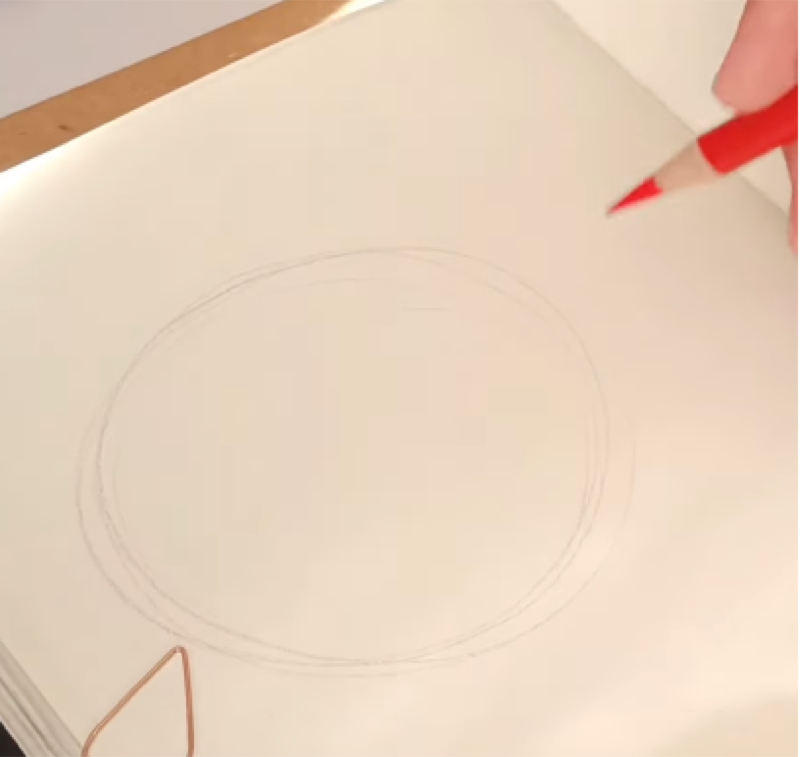
The first thing you learn is that a circle is not a circle. At least not at the beginning. You draw it ten times, lightly, in loops that almost miss each other, until the mess starts to agree on a shape. From far away it looks clean. Up close it is a set of attempts that decided to cooperate.
I started for two reasons, maybe three.
First, I think a lot about looking and not seeing. How many things in life go unnoticed because we treat them as given? How many opportunities never register because they arrive dressed as ordinary? Creative work, whether it is drawing, painting, or music, is a way to interrupt that trance. It forces a different kind of attention. Not the attention of speed, but the attention of contact.
Second, I wanted a place to exercise creativity outside business and the professional world. After university, work expands until it occupies everything. We begin to treat our body and our time as inputs to be optimized so we can maximize output. That framing works well for some things. It fails for others. The paradox is that the more you try to optimize every axis, the more fragile you become. You trade range for efficiency.
Third, and I only realized this later, I wanted to breathe. Not in a grand spiritual sense. In a literal one. I wanted an activity that pulled my mind out of the constant evaluation loop and placed it inside a single moment.
What I did not expect was that drawing would teach me how much of life is learning to let go.
In drawing, judging the outcome too early is a reliable way to ruin it. At the start, the page is supposed to look wrong. Proportions are off. Lines wander. Construction marks cross each other. That is not failure. That is the scaffolding.
A beginner tutorial on portraits makes this obvious. To draw a face you begin with a sphere, then you cut planes, then you place guides, then you adjust. Every stage looks worse than the one you imagined before you started. The only way through is to trust the sequence. Draw lightly. Stay flexible. Commit later.
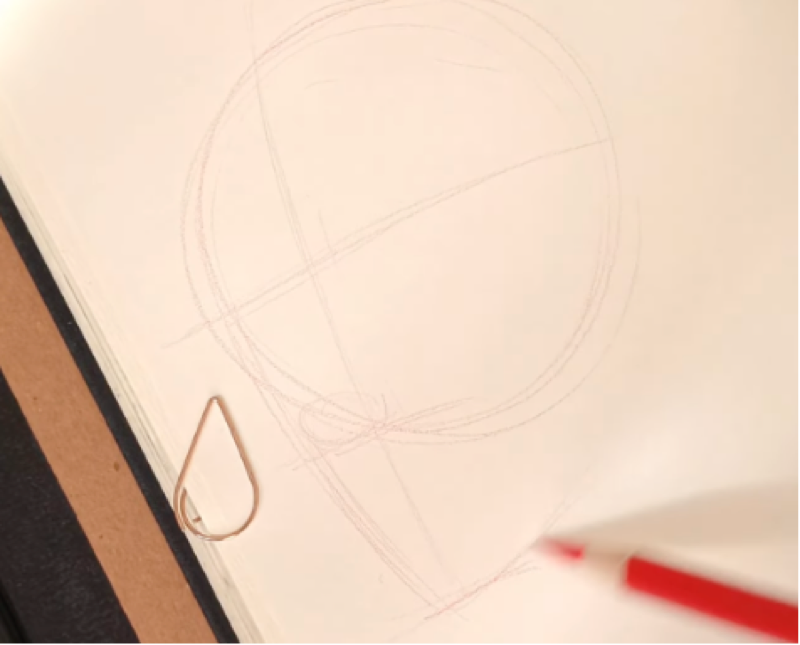
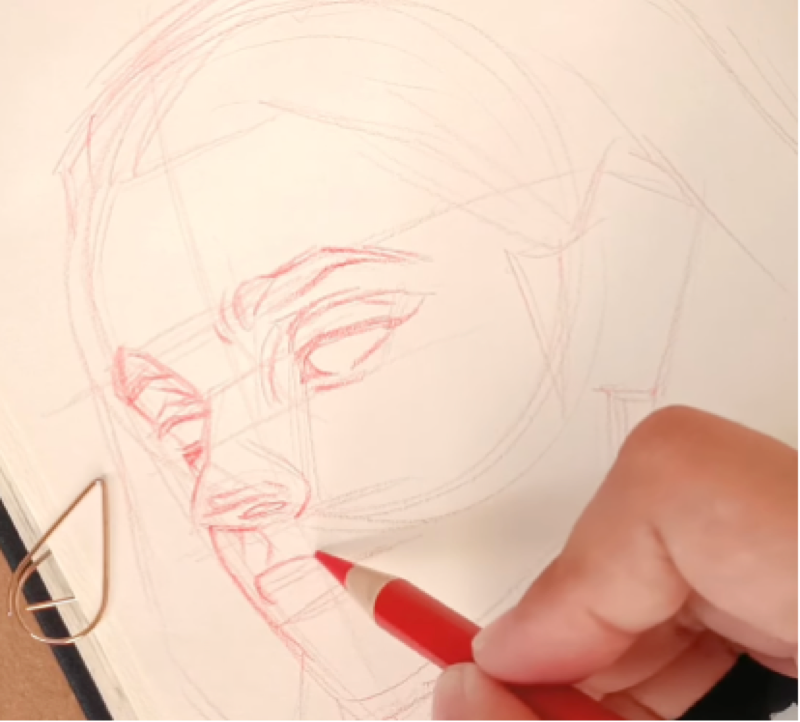
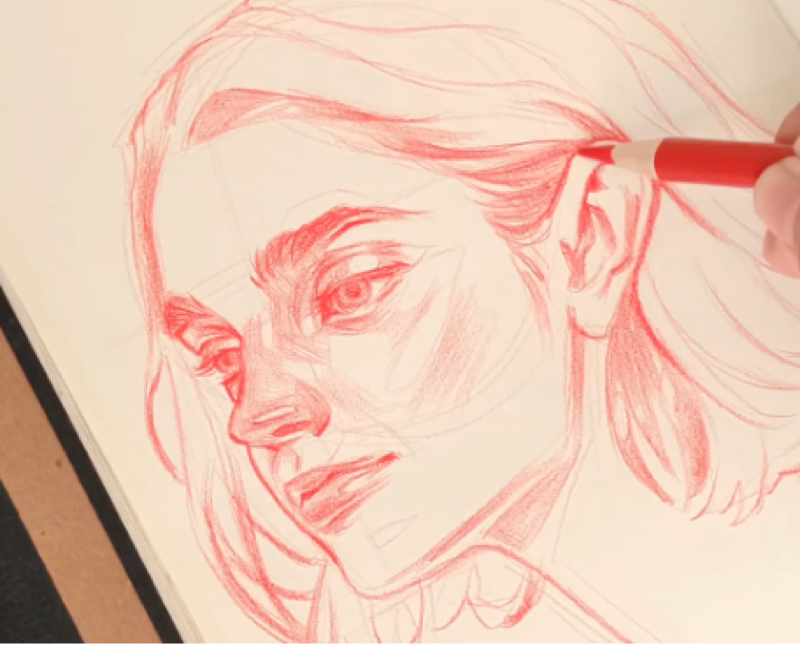
Perfectionism hates this. Perfectionism wants clean lines from the first minute. It wants the early sketch to look like the finished image. But drawing does not work that way. You need lines you will later erase. You need guesses. You need to be willing to redraw the same curve until it becomes honest.
It is hard not to see the parallel.
In the journey of becoming, you cannot measure the quality of the outcome mid-process with the same standards you will use at the end. Doing that is a category error. A rough draft is not a failed final draft. It is a rough draft. If you get hung up on perfection too early, you freeze. You never finish. And the strange thing is that finishing is often what makes the imperfections make sense. The piece resolves because it has an ending, not because every line is flawless.
This connects back to the first point: seeing.
What do you actually see when you look at a face?
Every day we cross people on the street, friends and strangers, and we think we see them. In practice, we rely on shortcuts. We see “an eye,” “a nose,” “a mouth,” and our mind fills in the rest with a symbol. Drawing punishes that laziness. The eye you think you know how to draw is not an eye. It is a set of angles, shadows, and edges. The mouth is not “lips.” It is value changes, a few sharp transitions, and a lot of subtle ones.
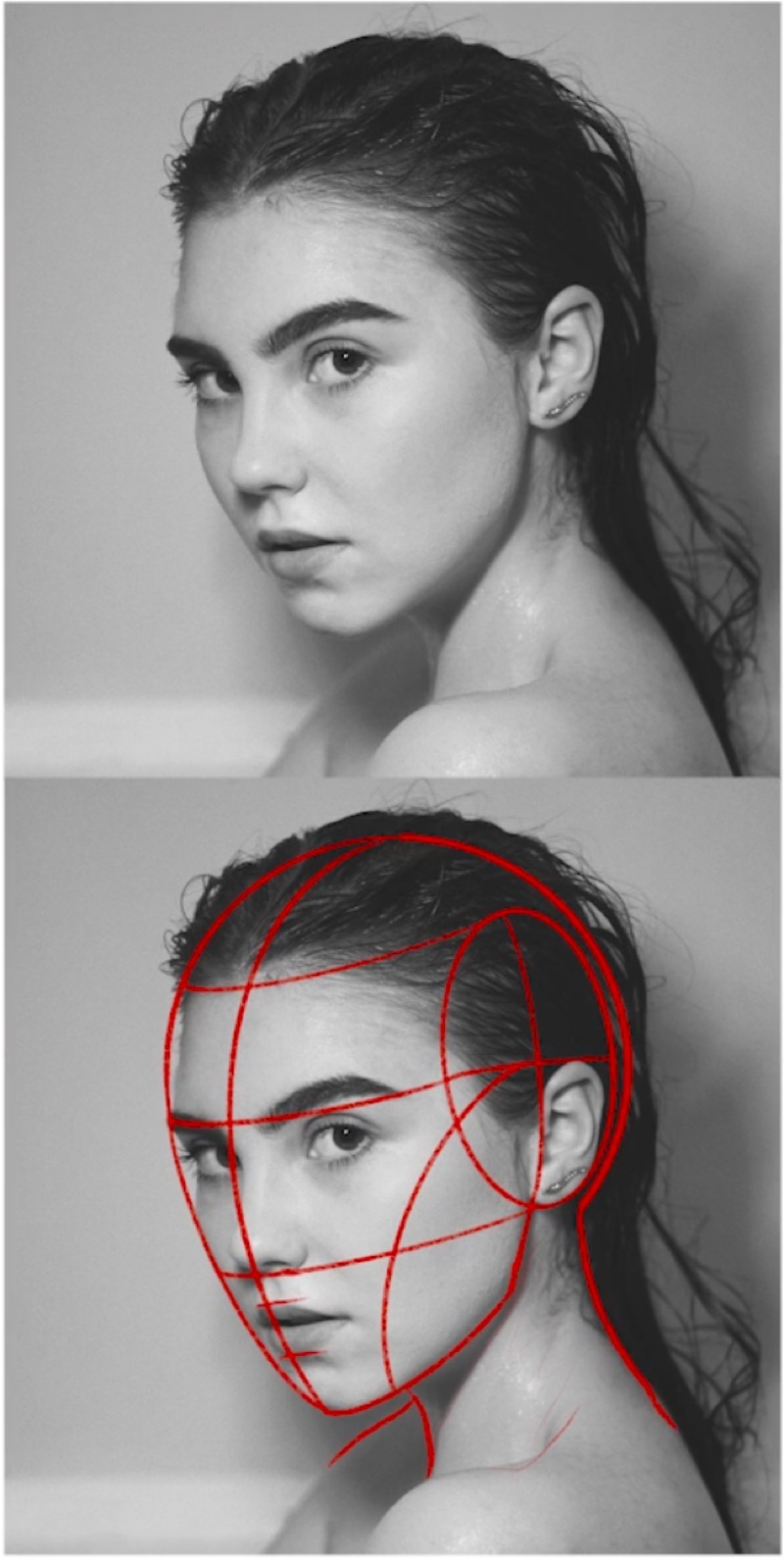
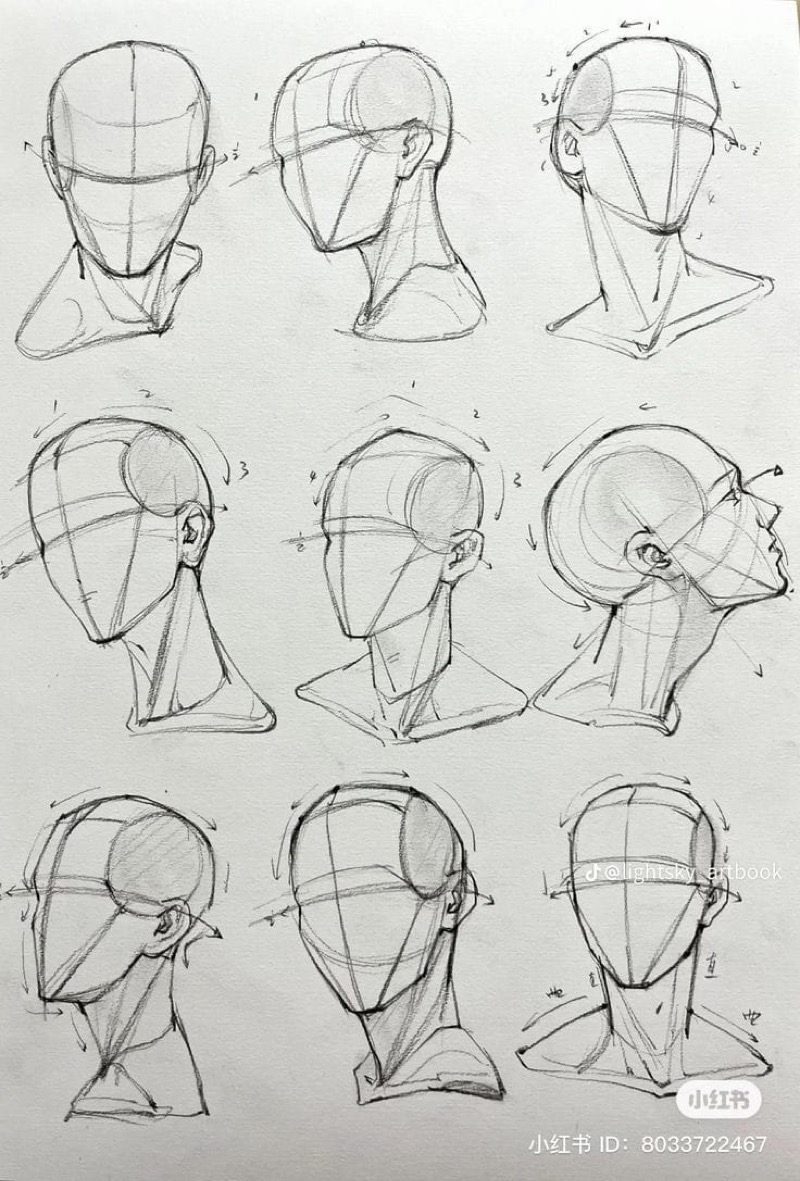
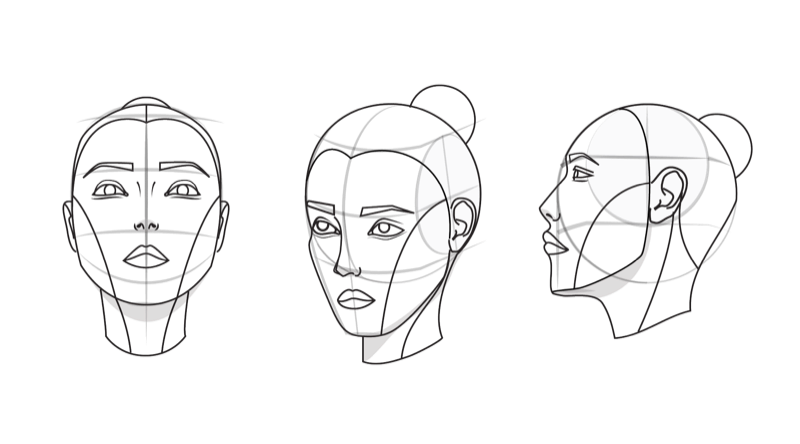
When you draw, you realize how much your perception edits reality. You also realize that your first interpretation is rarely the best one. The world you see is a world filtered by habit. There is a veil. Drawing lifts it, not by force, but by discipline. It asks you to stay long enough for the surface to stop being enough.
That is the quiet gift in it for me.
Drawing is not only about making something that looks good. It is practice in attention, and practice in patience. It teaches you to tolerate the ugly middle. It teaches you to build with scaffolding, then remove it. It teaches you to let the process be messy so the result can be clear.
And it teaches a final, uncomfortable lesson: sometimes the cleanest line is the one you earn by drawing ten imperfect ones first.
This text was slightly refined using ChatGPT. All images were taken from YouTube tutorials.